Remove Overgrowth and Reclaim Your Property
Land clearing services in Orlando make overgrown lots usable again for construction, landscaping, or maintenance access
Your lot has become a tangle of brush, saplings, and thick undergrowth that makes the property unusable and difficult to maintain. In Orlando, where vegetation grows aggressively year-round, neglected land quickly becomes inaccessible and invites pests, drainage problems, and code violations. American Dream Landscape & Property Management clears brush and vegetation completely, hauling away debris and leaving you with a clean, open lot ready for its next use.
Land clearing removes unwanted vegetation, including small trees, bushes, vines, and ground cover. Equipment cuts, grinds, or pulls plants from the root, then collects and hauls all material offsite. The service prepares properties for construction, restores access to overgrown areas, and eliminates fire hazards and pest habitat. In Orlando, clearing often precedes grading or development work, but it also serves homeowners who simply need their property maintained and visible again.
If your property has outgrown your ability to manage it, a clearing estimate can show you what it takes to restore access and function.
You Probably Have Questions About Clearing Your Lot
Homeowners facing overgrown properties want to know what clearing involves, how long it takes, and what their land will look like afterward.
- What types of vegetation can be removed during land clearing? Clearing removes brush, vines, small trees, saplings, and dense undergrowth. You will end up with open ground, though large trees may require separate removal if they exceed equipment limits.
- How long does it take to clear a typical residential lot? Most residential lots clear in one to two days, depending on vegetation density and access. Larger properties or heavily wooded sites take longer and may require multiple pieces of equipment.
- Why does my property need clearing before construction or grading? Clearing removes obstacles that prevent equipment access and exposes the ground so grading can be done accurately. In Orlando, dense vegetation also hides drainage issues and uneven terrain that must be addressed before building begins.
- What happens to the debris after clearing is finished? Debris is loaded into trucks and hauled offsite for disposal or recycling. You will not have piles of brush or wood left on your property when the work is complete.
- When should I schedule clearing if I am planning to develop or landscape my lot? Clearing should happen first, before grading or planting begins. It gives you a clean slate and allows other work to proceed without obstruction.
Land clearing restores access and usability to properties that have become overgrown and unmanageable, giving you a clean lot ready for whatever comes next. If your property has gotten away from you, a site visit can determine the scope of work and how quickly your land can be cleared.
Equipment and Methods for Removing Vegetation
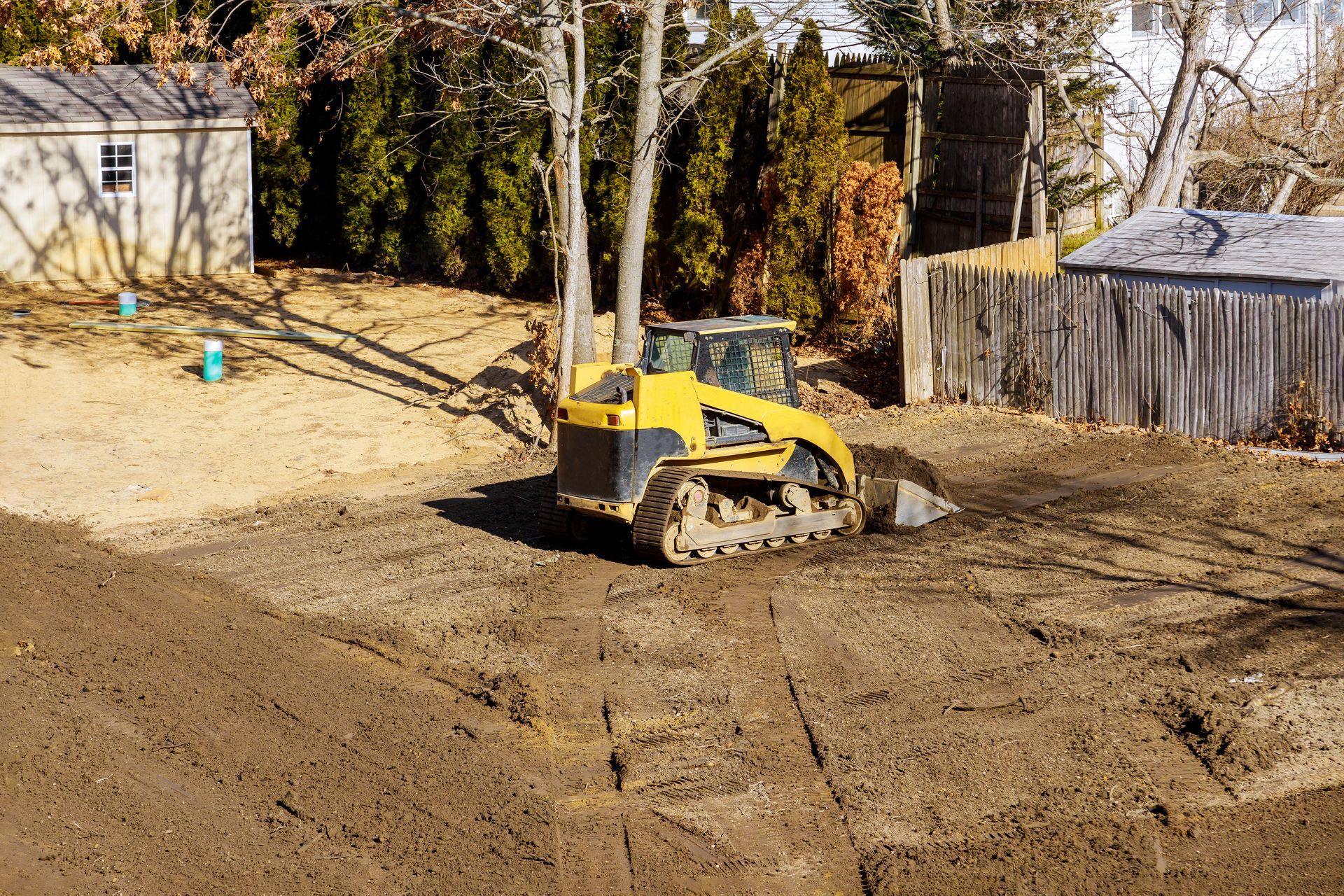
Clearing begins with an assessment of vegetation density, tree size, and site access. In Orlando, properties range from small residential lots choked with palmetto and Brazilian pepper to multi-acre parcels requiring forestry mulchers and heavy machinery. Crews use brush cutters, stump grinders, and skid steers to remove vegetation down to ground level, then rake and load debris into trucks for disposal.
After clearing, you will see bare ground with stumps either removed or ground flush with the surface. American Dream Landscape & Property Management handles debris hauling as part of the service, so you do not have piles of cut vegetation left behind. Clearing prepares your lot for grading, landscaping, or construction, and it eliminates the overgrowth that blocks sightlines, traps moisture, and attracts wildlife.
The service scales to fit your property size and budget, from small backyard brush removal to large-scale acreage clearing. Clearing does not include tree removal for protected species unless permits are obtained, and it does not address root systems that remain underground after surface vegetation is removed.