Stop Water From Pooling Around Your Property
Professional grading services protect Orlando homes from drainage problems and foundation damage
You walk outside after a storm and find water sitting in the same low spots again, pooling near the foundation or flooding across your walkway. In Orlando, where afternoon rains arrive with little warning and saturated soil has nowhere to go, poor grading turns minor inconveniences into costly structural risks. American Dream Landscape & Property Management reshapes your property's surface to direct water away from vulnerable areas, restoring function to yards that have struggled with drainage for years.
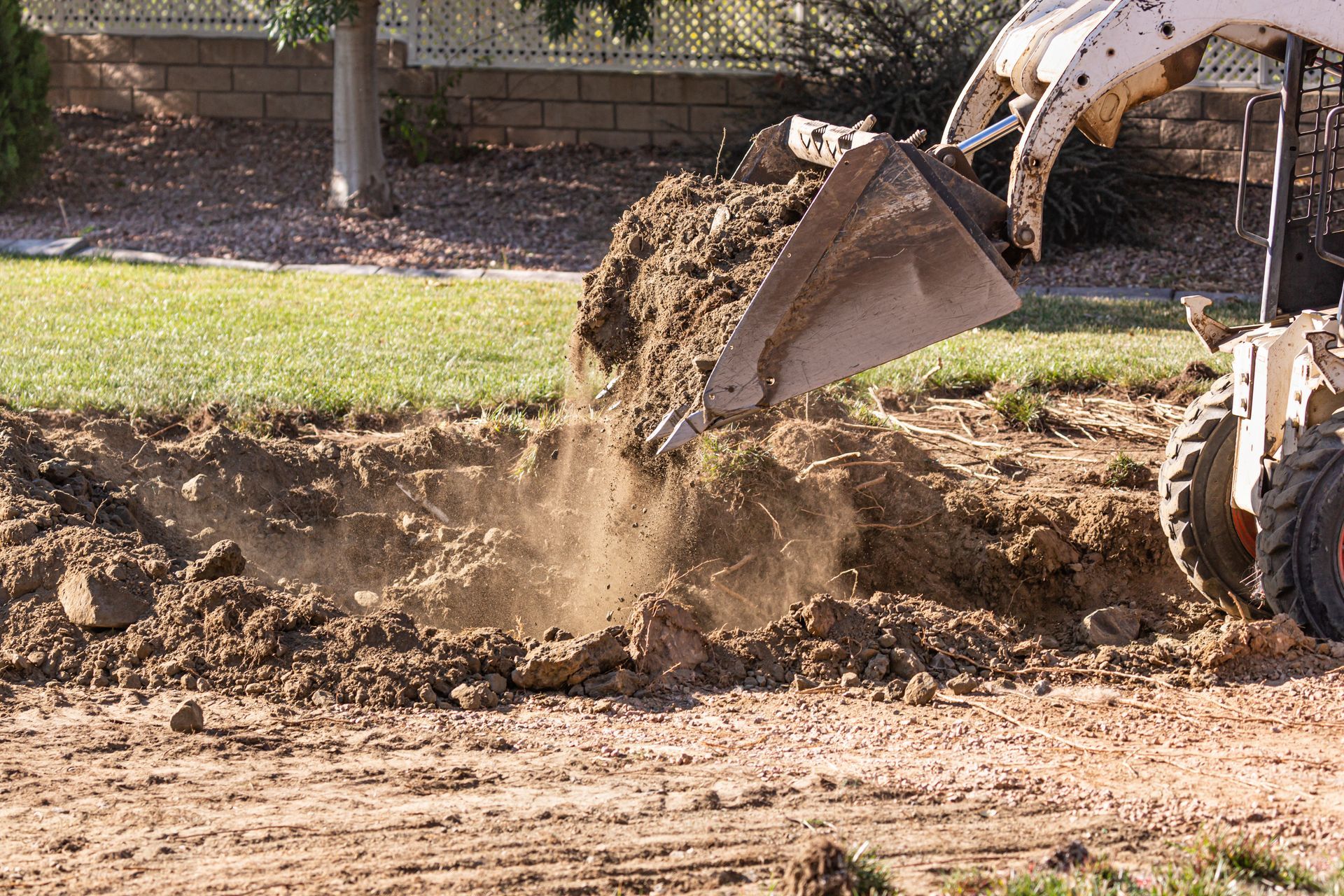
Grading corrects uneven ground by adjusting slope and elevation across your lot. Equipment moves soil to create gradual inclines that guide runoff toward street drains, swales, or designated collection points. When the work is finished, standing water disappears, erosion slows, and your foundation stays dry even during Orlando's heaviest summer downpours.
If your yard holds water longer than it should, a grading evaluation can show you what needs to change and why.
Questions About Grading Come Up Before Every Project
Homeowners in Orlando often ask how grading will affect their existing yard and what results they should expect once the work is complete.
- What does grading actually change about my property? Grading adjusts the slope of your land so water flows away from structures and toward drainage points. You will see a more even surface and no standing water after heavy rain.
- How long does grading take for a typical residential lot? Most grading projects finish within one to three days, depending on lot size and how much soil needs moving. Larger properties or sites requiring imported fill take longer.
- Why does water still pool in certain areas after it rains? Poor grading leaves low spots where water collects instead of draining. Correcting these depressions eliminates pooling and reduces erosion during Orlando's frequent afternoon storms.
- What equipment is used to adjust slope and elevation? Grading relies on skid steers, bulldozers, and laser-guided tools to move soil with precision. These machines create accurate grades that meet engineering standards for drainage.
- When should I consider grading before starting a construction project? Grading should happen before any foundation work begins. It ensures the building site is level, stable, and free of drainage problems that could compromise the structure later.
Grading solves drainage problems that other fixes cannot address, giving you a yard that handles water the way it should. If your property has low spots or water that refuses to move, an evaluation can show you what needs to happen and how the work will change your site.
How Slope Adjustments Prevent Long-Term Damage
Grading begins with a site assessment to identify low points, measure existing slope, and map where water naturally flows. In Orlando, properties often settle unevenly over time, leaving depressions that trap runoff and create persistent wet zones. Operators use precision equipment to cut high areas and fill low ones, establishing consistent grades that meet drainage standards without disrupting existing landscaping more than necessary.
After grading, you will notice water moving off your property during storms instead of collecting in the same trouble spots. American Dream Landscape & Property Management uses accurate slope calculations to ensure runoff reaches its intended destination without causing erosion along the way. Grading also prepares sites for construction, leveling the ground so patios, driveways, and additions sit on stable, properly drained foundations.
The process may involve importing additional soil if your lot lacks sufficient material to achieve the necessary slope. Grading does not address underground drainage issues such as clogged pipes or failed French drains, but it resolves surface water problems that result from improper contouring.