Level Ground and Direct Water Flow
Land grading services for residential and commercial properties that need proper drainage and stable building surfaces.
When land slopes toward a foundation, water pools near doorways, or the yard drains slowly after rain, grading corrects those issues by reshaping the surface to direct runoff away from structures. Proper grading prevents foundation damage, reduces standing water, and creates usable outdoor areas that do not flood or erode after storms.
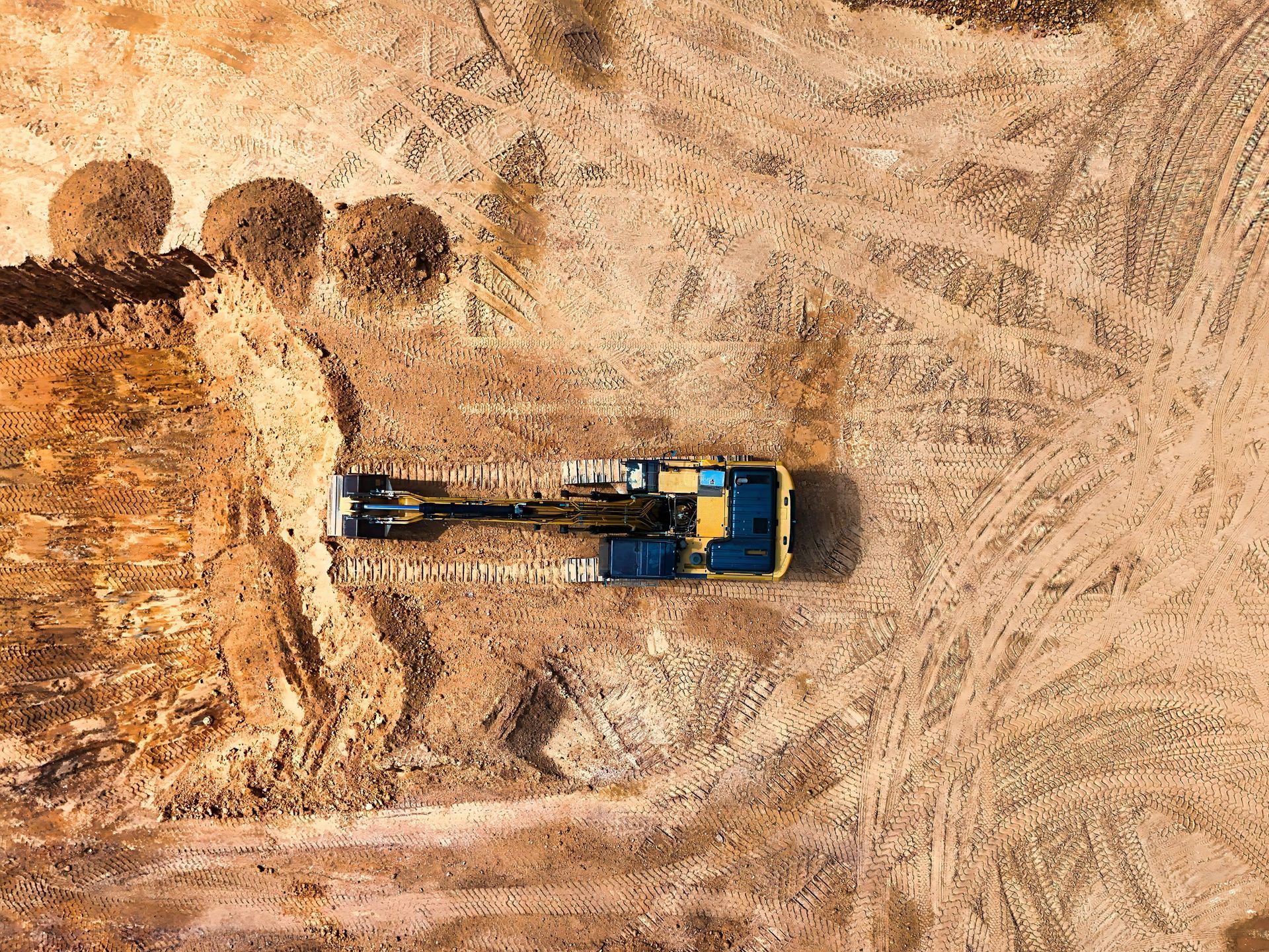
American Dream Landscape & Property Management provides land grading for both residential and commercial customers. This includes rough grading to establish major slopes and drainage paths, fine grading to prepare surfaces for sod or paving, and regrading areas that have settled or eroded over time. The work uses excavators, bulldozers, and grading equipment to move soil and shape terrain according to drainage plans.
If your property floods near the foundation, drains poorly, or needs leveling before construction or landscaping, contact us to evaluate site conditions and plan the grading work.
How Grading Shapes Drainage and Elevation
Grading begins with identifying high and low points on the property and determining where water needs to flow. Soil is moved to create slopes that direct runoff away from buildings and toward drainage areas such as swales, storm drains, or retention basins. Bulldozers and graders push and level soil, while excavators handle larger cuts or fills. The surface is then compacted to prevent settling.
After grading is complete, you will see water flowing away from your foundation during rain, no pooling in low spots, and a yard or lot surface that supports foot traffic and equipment without sinking or rutting. Slopes are consistent, and drainage paths are clearly defined.
Grading does not include installing French drains, retaining walls, or underground drainage pipes unless those are added separately. Fine grading prepares surfaces for sod, seeding, or pavement, but it does not include installation of those materials. Soil may need to be imported or removed depending on existing site elevation and the target grade.
Questions About Regrading and Drainage
Most clients want to know how grading prevents water problems, whether the work requires additional soil, and how long it takes for the ground to stabilize afterward.
What is the difference between rough and fine grading?
Rough grading establishes major slopes and drainage paths using heavy equipment. Fine grading smooths the surface to prepare it for sod, seeding, or paving, creating a level finish suitable for planting or construction.
How does grading prevent foundation damage?
Grading directs water away from the foundation so it does not pool against basement walls or crawl spaces. This reduces hydrostatic pressure, prevents moisture intrusion, and keeps the foundation from shifting due to saturated soil.
What happens if the property does not have enough soil?
If the site needs additional soil to reach the desired grade, fill dirt is imported and spread across the area. The fill is compacted in layers to prevent settling and ensure a stable surface.
How long before I can plant or pave after grading?
Newly graded soil should settle for at least a few weeks, especially if fill was added. Compaction speeds up stabilization, but waiting allows the ground to firm up before planting, laying sod, or pouring concrete.
Why does my yard still flood after it rains?
Flooding usually means the ground slopes toward the house or low spots trap water. Regrading reshapes the surface to direct runoff away from structures and eliminate areas where water collects.
American Dream Landscape & Property Management works with both residential and commercial clients who need land graded to prevent drainage problems and prepare sites for construction or landscaping. If your property floods, slopes incorrectly, or needs leveling, reach out to discuss grading options and site conditions.